
Biocompatibility Testing (ISO 10993)
Biocompatibility Testing (ISO 10993)
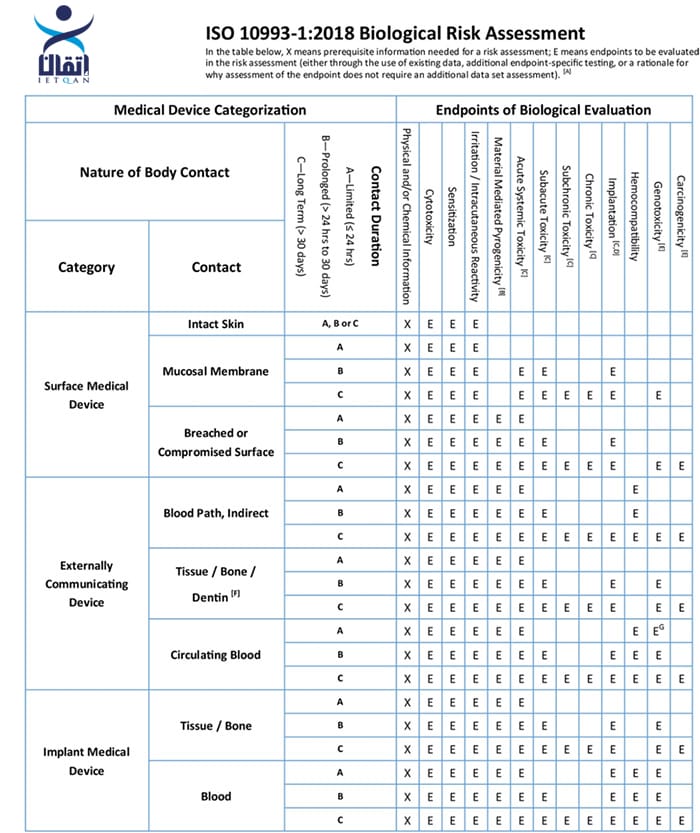
Any medical device that contacts the human body must undergo biocompatibility evaluation in accordance with ISO 10993. IETQAN provides the full suite of in vitro and in vivo biocompatibility tests required to support your biological evaluation plan and regulatory submission.
Following ISO 10993-1:2025 can be challenging, so you are invited to use the IETQAN “Biocompatibility Selection Tree” tool. We work with you on a risk-based approach to identify the most appropriate and cost-effective strategy for your device. And you can explore some of the ISO 10993 biocompatibility tests below:
Cytotoxicity
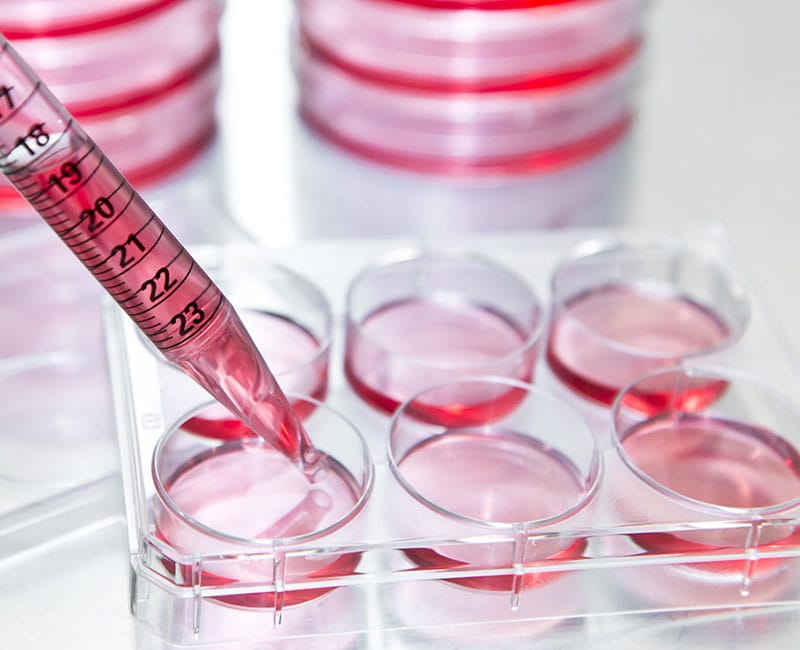
Cytotoxicity testing is the in-vitro screening method used to detect cell-damaging effects from medical-device materials and their extracts. Per ISO 10993-5, it is one of the first endpoints required for almost every biological evaluation, providing fast and sensitive evidence of biological reactivity before more complex in-vivo studies are commissioned.
IETQAN performs MEM-elution, direct-contact and agar-diffusion assays using L929 mouse fibroblast cell lines. Reactivity is graded against a standardised scale and reported with full method traceability — satisfying ISO 10993-5 submission expectations.
Skin Irritation
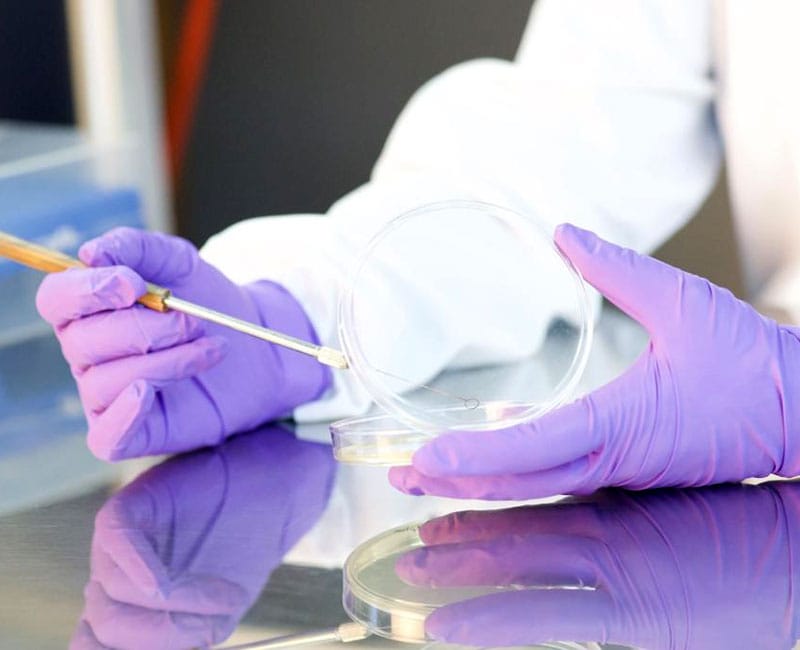
Skin Irritation / Intracutaneous Reactivity testing evaluates the localised inflammatory response of skin or subcutaneous tissue to a device or its extract. Per ISO 10993-23, it is a required endpoint for medical devices in surface or external-communicating contact with the patient.
Our irritation programme covers polar and non-polar extracts, dose-response titration where appropriate, and qualified scoring readouts — producing compliant data to support 510(k), CE-mark and MDR submissions.

Skin Sensitization
Skin Sensitization testing identifies whether repeated exposure to a device or its leachables can provoke an allergic or delayed-hypersensitivity response. Per ISO 10993-10, it is mandatory for materials in surface or external-communicating contact, and increasingly important as a screen for novel polymer chemistries.
IETQAN runs guinea-pig maximisation and local lymph-node-style assays depending on device class and risk profile, with full induction/challenge documentation suitable for regulatory submission.
Acute Toxicity
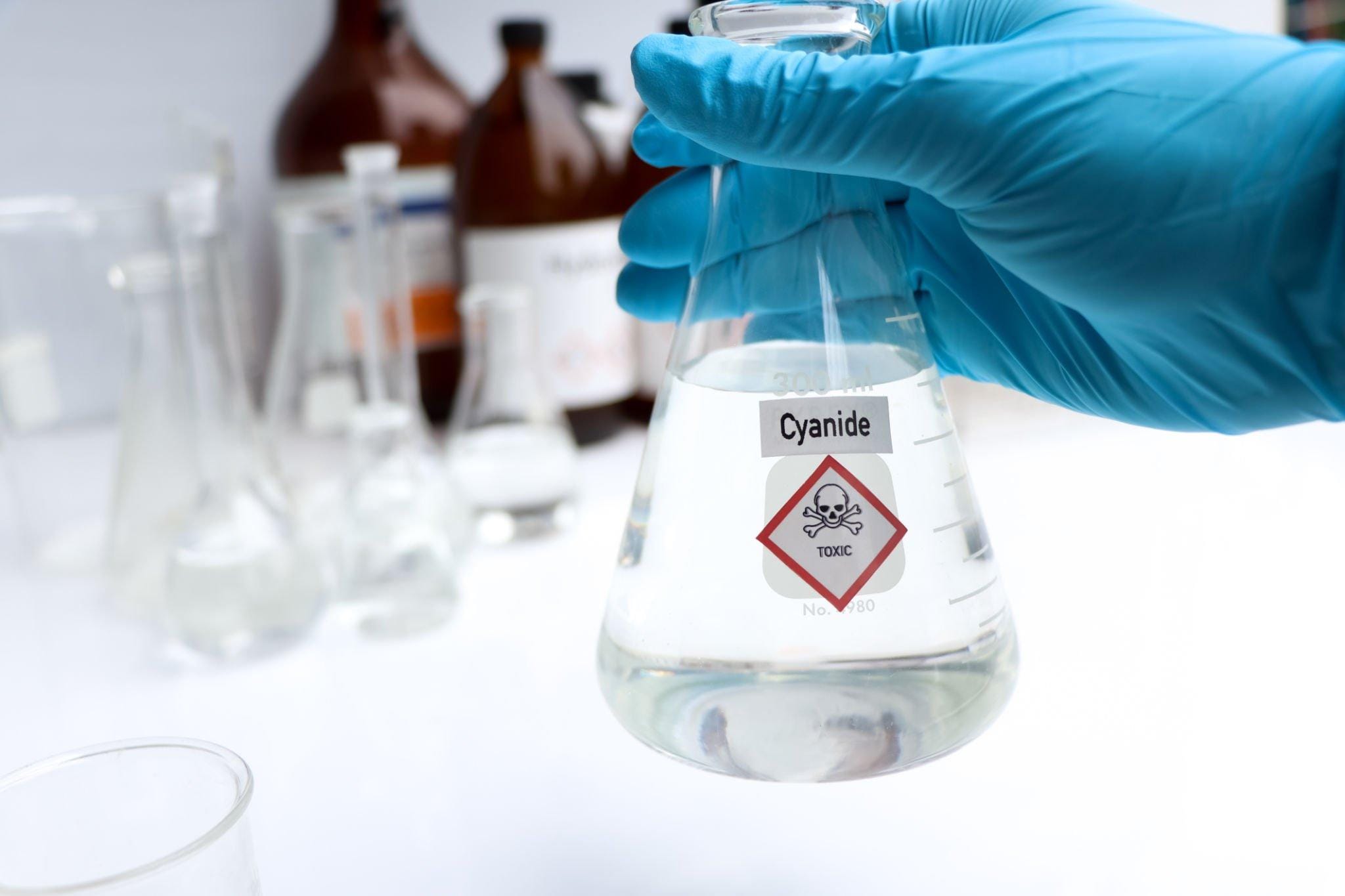
An acute toxicity service typically refers to a specialised offering provided by toxicology laboratories or research organisations. These services are designed to assess and evaluate the potential acute toxicity of various substances, such as chemicals, pharmaceuticals, or environmental pollutants.
Professionals conduct a range of experiments, including animal testing and in vitro studies, to determine acute toxicity levels — often measured by the LD50, the dose at which 50% of test subjects show adverse effects. Results play a crucial role in safety assessments, regulatory compliance, and risk management for industries ranging from pharmaceuticals to chemical manufacturing.
Sub-Acute Toxicity
Sub-acute toxicity services are a vital component of toxicology, focusing on evaluating the potential harmful effects of repeated, relatively short-term exposures to substances over a period ranging from 14 to 90 days.
By conducting controlled experiments with animal models, monitoring various parameters, and analysing dose-response relationships, sub-acute toxicity services provide essential data for decision-making in product development and environmental protection. Ethical considerations are paramount — emphasising the importance of minimising harm to test subjects and using alternative methods when possible.
Sub-Chronic Toxicity
Sub-Chronic Toxicity testing evaluates the systemic effects of repeated, intermediate-duration exposure to a device or its extract — typically up to 90 days in rodent studies. Per ISO 10993-11, it is a required endpoint for long-term contact and implantable devices, bridging the gap between sub-acute and chronic toxicology.
Our sub-chronic programme covers test-item characterisation, dose and route selection, clinical and clinical-pathology in-life monitoring, and full histopathology — producing the systemic-effects dossier expected by FDA, EMA and notified-body reviewers.

Material Mediated Pyrogen
Material-Mediated Pyrogen (Rabbit Pyrogen) testing detects the febrile response provoked by device extracts when administered intravenously — a critical endpoint for products with circulatory or implant contact. Per ISO 10993-11 and USP 151, it screens for both endotoxin and chemical pyrogens that bacterial-endotoxin testing alone may miss.
We perform pyrogen testing on saline and oil extracts using validated rabbit colonies, with full thermal-response curves and acceptance criteria aligned to current pharmacopoeial expectations.

Hemocompatibility
Hemocompatibility testing is a critical aspect of biomedical research and the development of medical devices, especially those that come into direct contact with blood — such as vascular implants, catheters, and artificial organs. This specialised testing assesses the compatibility of these devices with blood components to ensure their safety and effectiveness.
Hemocompatibility tests evaluate how materials and devices interact with blood to avoid triggering adverse reactions like clot formation, hemolysis, platelet activation, and inflammation. Ensuring hemocompatibility is essential to prevent complications in patients and guarantee the reliability of medical devices.
Chemical Characterization
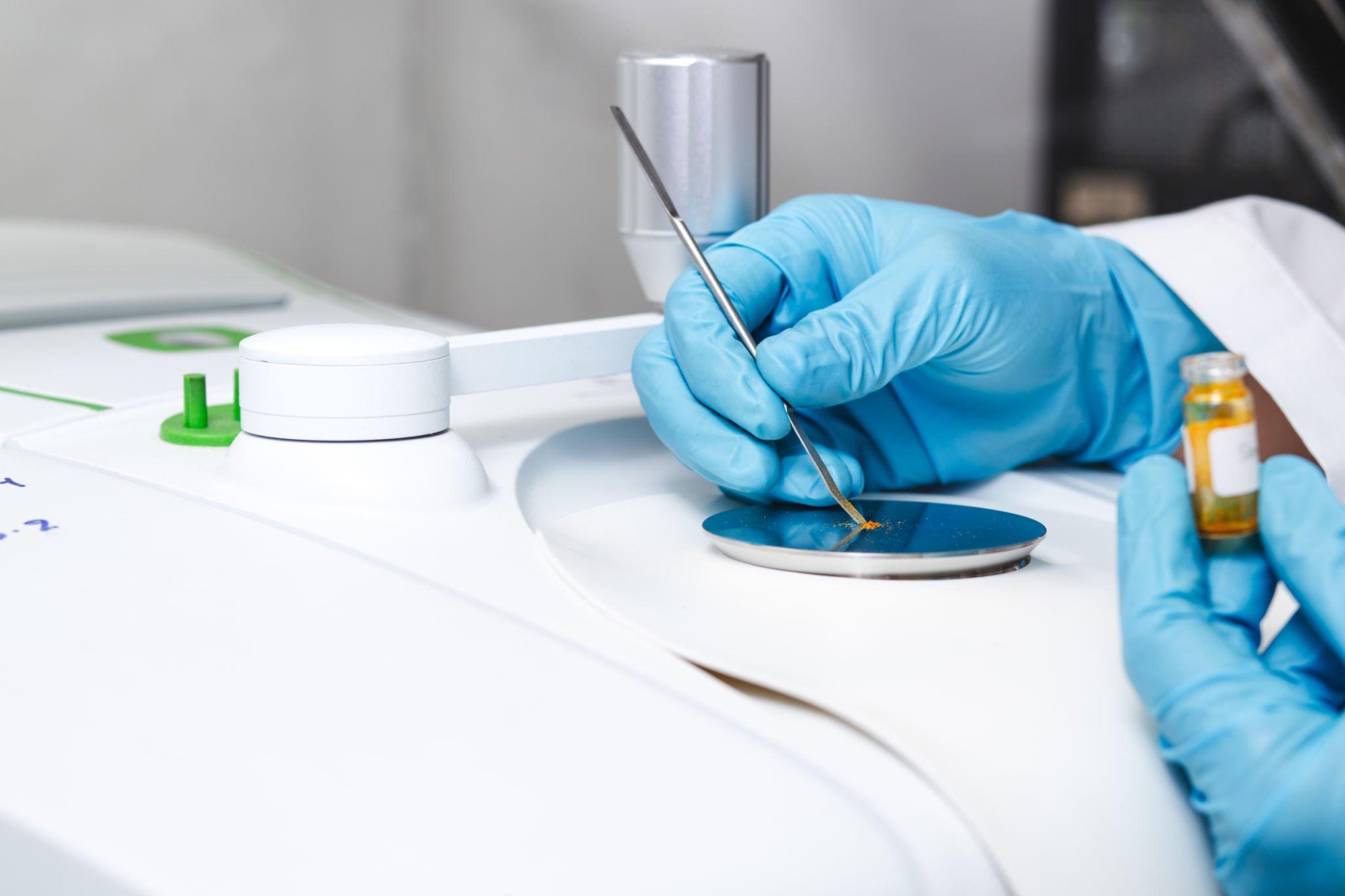
Chemical characterisation testing is a crucial analytical process employed in various industries, including pharmaceuticals, materials science, and environmental monitoring. This method involves the systematic analysis of a substance to determine its chemical composition, structure, and properties.
Advanced techniques like spectroscopy, chromatography, mass spectrometry, and X-ray diffraction are utilised to identify and quantify specific components within a sample. This testing supports quality control, R&D, and regulatory compliance — ensuring the safety and efficacy of products and materials.